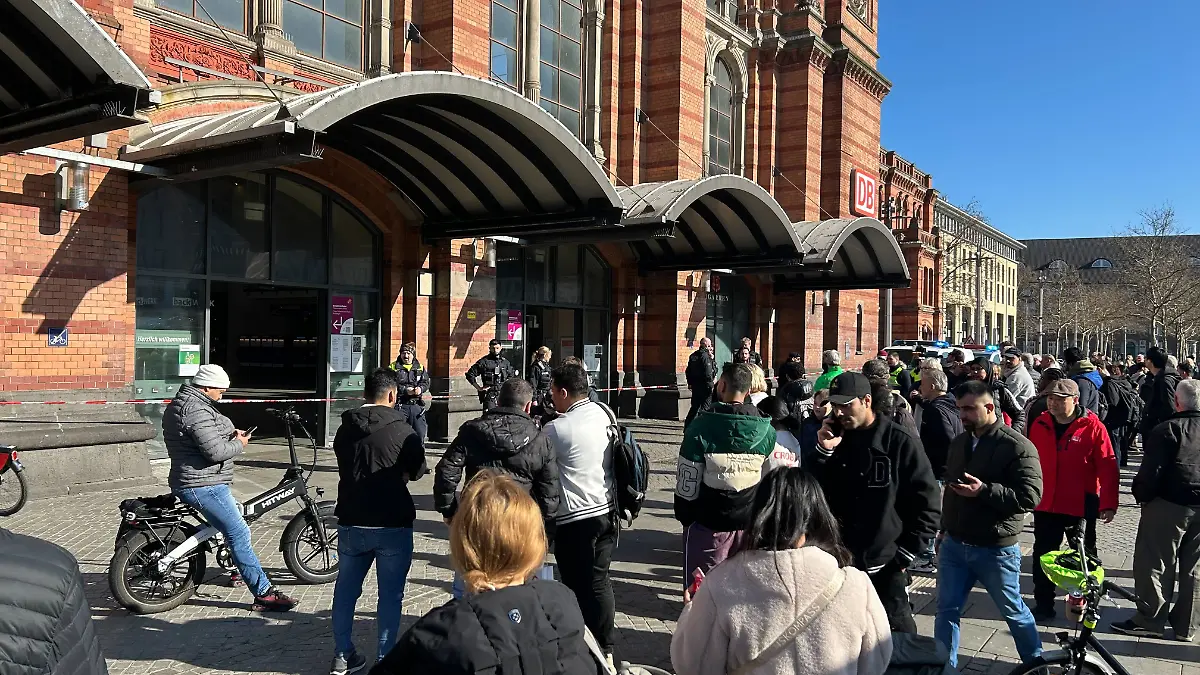
Bremen Hauptbahnhof Bomb Threat: Police Give All Clear After Intense Operation
In a late-night drama that gripped the Hanseatic city, Bremen Hauptbahnhof, one of Germany's vital transport hubs, was subjected to a major bomb threat, leading to a comprehensive evacuation, a complete shutdown of train services, and a painstakingly thorough police operation. The incident, triggered by an anonymous call, sent ripples of disruption across northern Germany's railway network before authorities ultimately gave the all-clear, declaring the area safe. This event underscored the rigorous security protocols in place at public facilities and the unwavering commitment of emergency services to public safety.
The alarm was raised on a Wednesday evening, plunging the bustling station into an eerie silence as thousands of commuters and travelers found their plans suddenly derailed. The swift, coordinated response from federal and state police, aided by specialized units and advanced technology, ensured that what could have been a catastrophic event was instead contained and resolved without harm, albeit with significant inconvenience to the traveling public.
The Bombendrohung Bremen Hauptbahnhof (bomb threat Bremen Main Station) dominated headlines, highlighting not only the immediate danger but also the broader implications for public security and the severe consequences for those who instigate such hoaxes. While the immediate danger has passed, the incident serves as a stark reminder of the constant vigilance required in our modern world.
Bremen Hauptbahnhof Under Siege: The Initial Alert and Evacuation
The tranquility of a typical Wednesday evening was shattered when an alleged bomb threat was received by a police service center, reportedly in Mecklenburg-Vorpommern, though later clarified to have come through the central police hotline. The caller claimed that explosives had been placed within the Bremen Hauptbahnhof, prompting an immediate and decisive response from law enforcement. The magnitude of the threat meant that there could be no hesitation; every precaution had to be taken seriously.
Around 12:45 AM, the decision was made to evacuate large sections of the main station. Police vehicles, sirens blaring, quickly converged on the scene, cordoning off the area and establishing a secure perimeter. Travelers and station staff were instructed to leave the premises without delay. This rapid evacuation, while unsettling, is a testament to the well-rehearsed emergency plans designed to protect lives in such critical situations. Witnessing such an event can be a deeply unsettling experience for those involved, transforming a routine journey into an unexpected ordeal.
Simultaneously, Deutsche Bahn, Germany's national railway company, announced via Twitter (now X) that train services to and from Bremen Hauptbahnhof were being suspended indefinitely. This meant trains were either halted at preceding stations, rerouted to avoid the affected area, or faced significant delays. For many passengers, this meant being stranded, with some having to spend the night in makeshift accommodations or seek alternative transport options. The immediate impact of the Bombendrohung Bremen Hauptbahnhof rippled far beyond the city limits, affecting regional and long-distance connections.
For more details on the initial response, you can refer to our related coverage: Bremen Main Station Evacuated Over Bomb Scare, Probe Initiated.
A City Holds Its Breath: The Search Operation Unfolds
With the station evacuated and secured, the focus shifted to the painstaking search operation. German Federal Police, supported by local state police forces, deployed a formidable array of resources. Explosives detection dogs, highly trained to identify even minute traces of illicit substances, methodically swept through every corner of the station, from platforms and waiting areas to shops and offices. These K9 units are an invaluable asset in such scenarios, providing a rapid and reliable method for initial screening.
Beyond the canine units, advanced technology played a crucial role. A police robot, capable of safely approaching and examining potentially dangerous objects from a distance, was brought into action. This remote-controlled device, often equipped with cameras, lights, and X-ray capabilities, minimizes risk to human personnel. The thoroughness of this search underscored the seriousness with which authorities treat every threat, regardless of its perceived credibility.
During the exhaustive search, a suspicious object was indeed discovered: a thermos flask left on a bank on one of the platforms. Immediately, protocols for handling unknown objects were activated. The robot was deployed to safely examine and X-ray the flask. The tension was palpable until the device relayed its findings: the thermos flask was completely harmless and contained no explosive material. Police quickly clarified that there was no immediate connection between the innocuous flask and the initial bomb threat. This discovery, though ultimately benign, highlights the challenge emergency services face in differentiating between genuine threats and innocent, forgotten items in a high-pressure environment.
Widespread Disruption: Impact on Travel and Beyond
The Bombendrohung Bremen Hauptbahnhof had a profound and immediate impact on travel throughout the region. For several hours, no trains were allowed to enter or leave the station, effectively paralyzing a major artery of Germany's public transport system. This led to significant knock-on effects:
- Stranded Passengers: Thousands of travelers, caught unaware, found themselves without onward travel. Emergency buses were arranged to transport some passengers to alternative stations, but many faced long waits and uncertainty.
- Rerouted Services: Long-distance trains were rerouted, leading to substantial delays and changes in travel itineraries across a broader network.
- Economic Impact: Beyond individual inconvenience, such widespread disruption can have economic consequences, affecting supply chains, business travel, and local commerce reliant on station activity.
- Communication Challenges: While Deutsche Bahn and police utilized social media to disseminate updates, the sheer volume of affected passengers meant that information flow could not always keep pace with individual needs, leading to frustration.
Even after the station was declared safe and reopened on Thursday morning, the repercussions lingered. Deutsche Bahn warned of residual delays throughout the day as services slowly returned to normal, a common aftermath of such extensive disruptions. The incident served as a stark reminder of how vulnerable critical infrastructure like main train stations can be to threats, even if unfounded.
Our article, Bomb Threat Halts Bremen Trains: Harmless Flask Discovered, provides additional context on the specific items found during the search.
The All Clear: Restoring Order and Investigating the Threat
The relief was palpable when, after hours of intense search and scrutiny, the police officially gave the "all clear." The Bremen Hauptbahnhof was declared safe, and the restrictions were gradually lifted, allowing passengers and staff to return to the building. This announcement marked the end of the immediate crisis, but the work of law enforcement was far from over.
The police have since launched a full investigation into the origin of the bomb threat. The primary charge being pursued is "Störung des öffentlichen Friedens durch Androhung von Straftaten" (disturbing the public peace by threatening criminal acts). This is a serious offense in Germany, carrying significant penalties including imprisonment, underscoring the legal consequences of making false threats that cause widespread panic and deploy substantial public resources.
Interestingly, authorities are also examining a potential connection to a similar incident that occurred on the same day at Augsburg Hauptbahnhof, which was also evacuated due to a threat and later reopened. While it's common for hoaxes to be isolated incidents, police always investigate patterns or potential links to determine if there's a coordinated effort or if a single individual is responsible for multiple threats. The ability to trace the origin of such calls, even anonymous ones, has become increasingly sophisticated, empowering law enforcement to bring perpetrators to justice.
Lessons Learned: Enhancing Safety in Public Spaces
The Bombendrohung Bremen Hauptbahnhof incident, though a false alarm, offers several crucial insights for both authorities and the public regarding safety in major transport hubs:
For Travelers:
- Stay Informed: In an emergency, rely on official sources like police announcements, Deutsche Bahn's app, and social media channels for the most accurate and up-to-date information. Avoid speculation.
- Follow Instructions: Always adhere to instructions from emergency services and station staff. Their priority is your safety.
- Situational Awareness: Be aware of your surroundings. While not meant to foster paranoia, a degree of alertness can help you identify unusual situations or objects.
- Report Suspicious Activity: If you see something, say something. Timely reporting of unattended luggage or suspicious behavior can prevent incidents from escalating.
- Plan for Contingencies: Especially during busy travel periods, consider flexible tickets or travel insurance that might cover delays or rebookings in unforeseen circumstances.
For Authorities:
- Robust Protocols: The swift evacuation and methodical search demonstrated effective emergency protocols. Regular drills and updates are essential.
- Technological Investment: The use of K9 units and robots highlights the importance of investing in advanced security tools.
- Inter-Agency Coordination: The seamless cooperation between federal police, state police, and Deutsche Bahn is critical for an efficient response.
- Public Communication: Clear, consistent, and timely communication with the public can mitigate panic and confusion.
- Deterrence: Vigorously prosecuting individuals who make hoax threats serves as a powerful deterrent against future incidents.
Even a false alarm demands a full-scale response because the alternative – ignoring a genuine threat – is unthinkable. The cost of disruption, inconvenience, and fear, while significant, pales in comparison to the potential loss of life. This incident serves as a powerful reminder of the delicate balance between maintaining open, accessible public spaces and ensuring their impregnable security against all forms of threat.
The Bremen Hauptbahnhof bomb threat ultimately ended with an "all clear," bringing relief to a city and its travelers. The incident showcased the professionalism and efficiency of Germany's emergency services in managing a high-stakes situation. While the immediate danger has passed, the investigation into the false alarm continues, underscoring the unwavering commitment to public safety and justice. Such events, though disruptive, reinforce the critical importance of preparedness and vigilance in safeguarding our public spaces against malicious acts.